



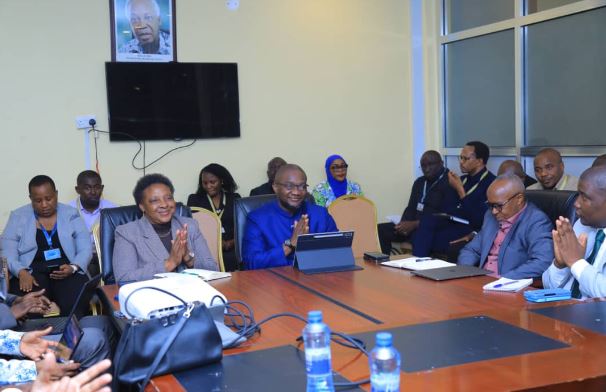
Dodoma: The Minister of Health, Mr. Mohamed Omary Mchengerwa, has said the Government has reached a decision to rebuild the Muhimbili National Hospital after a thorough professional process, emphasizing that the project is a right investment with broad benefits for the nation.
Presenting before the Parliamentary Standing Committee on Health and AIDS Affairs, April 22, 2026, in Dodoma, Mr. Mchengerwa said the move aims to meet the significant increase in demand for primary and secondary health services in the country.
He said the debate that emerged regarding the decision to rebuild Muhimbili instead of building a new hospital in another area is fundamental and should be respected, but he explained that history shows that many major development projects are initially opposed but later bring great benefits to the citizens.
“A nation that asks questions is a nation that is aware of itself, and a responsible Government is one that responds openly. But experience also shows that major strategic projects are often opposed at first, but later their importance is seen,” said Mr. Mchengerwa.
The Minister explained that Muhimbili has a history of more than 120 years and is currently facing challenges of dilapidated infrastructure, an increase in patients and a high demand for modern services.
Explaining that in 2025 alone, the hospital served more than 44,000 hospitalized patients and more than 458,000 outpatients, while saving approximately 96.8 billion shillings that would have been spent on medical referrals abroad.
He said that despite the importance of building a new hospital, there is still a need to develop Muhimbili due to the presence of more than 4,000 highly skilled professionals who are a great national treasure.
“Muhimbili is not just buildings, it is a collection of expertise, experience and systems of excellence that have been built over a long period of time. We cannot abandon that foundation,” he stressed.
Regarding the cost, Mr. Mchengerwa said the project is estimated to cost US$468.5 million, noting that a large part of the Government’s contribution is not in cash but in the form of tax exemptions on project equipment.
He added that international analysis shows that Tanzania pays a reasonable cost of about US$1,819 per square meter, a level that is low compared to many countries in the world.
The project is expected to increase the hospital’s capacity to serve more patients, increase the number of specialist departments from 13 to 33, as well as increase beds to more than 2,800.