




📍KAHAMA: The government has continued to emphasize the importance of empowering Mine Inspectors and small-scale miners in the country to enhance safety at work, protect the environment and increase the contribution of the mining sector to national economic growth.
The call was made on April 23, 2026 in Kahama district, Shinyanga region by the Director of Licensing Services of the Minerals Commission, Engineer Aziza Swedi while opening a training course for managers and Chief Inspectors of small-scale mines on behalf of the Executive Secretary of the Minerals Commission, Engineer Ramadhani Lwamo.
The training brings together participants from the mining regions of Kahama, Mbogwe and Shinyanga with the aim of strengthening professional understanding, better mine management, compliance with laws and regulations as well as promoting safe and sustainable mining.
Speaking at the opening, Engineer Swedi said that the Inspectors General of Mines should be given cooperation and an enabling environment so that they can fully carry out their duties, a step that will help prevent accidents in mines, protect the health of miners and preserve the environment surrounding mining areas.
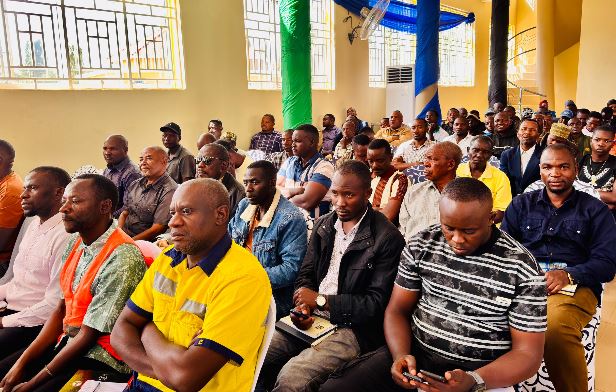
He said the success of the Government’s efforts in empowering small-scale miners depends on the cooperation of all stakeholders, especially managers and mine inspectors who are important pillars in overseeing compliance with laws, regulations and safety standards.
“The Government aims to ensure that mining activities continue to contribute to the development of the Nation while being carried out in safe ways that do not affect the environment, the health of miners and the welfare of society,” he said.
He said that through effective management, the country can achieve the goal of the President of the United Republic of Tanzania, Dr. Samia Suluhu Hassan to increase the contribution of the mining sector to the GDP from the current 10 percent to 12.5 percent by 2030.
He said small-scale miners already contribute about 40 percent of income from mining activities, a situation that shows their importance in the national economy, while urging mine owners to ensure that production information and important records are properly maintained so that the Government receives its due revenues on time.
Engineer Swedi has also warned about the effects of unregulated mining, citing the indiscriminate use of hazardous chemicals such as mercury and cyanide as well as silica dust as a source of dangerous diseases including silicosis, tuberculosis and cancer.
The Director of Mines and Environment Inspection from the Minerals Commission, Engineer Hamisi Kamando, said Chief Mine Inspectors should submit inspection reports regularly to enable the Government to identify early hazards that can cause accidents and take preventive measures in time.
He said there are still challenges in some mining areas including violations of the law, lack of accurate production records, tax evasion and smuggling of minerals, so the training aims to build the capacity of participants to become ambassadors of compliance with the laws and regulations of the sector.
“We want to see miners entering mines safely and returning to their homes safely every day. Human life is more valuable than minerals,” said Engineer Kamando.
The Chairman of the Shinyanga Regional Small-Scale Mining Association (SHIREMA), Mr. Hamza Tandiko has emphasized the importance of professionalism for miners and the provision of accurate information on mining activities while commending the contribution of inspectors in reducing accidents and harm in mines.